
Meal Preparation Support for NDIS Participants
Shopping, planning, cooking, storing food and the social part of eating. Where meal preparation support sits in a plan, what it can cover, and how to make sure the food is actually food you want to eat.
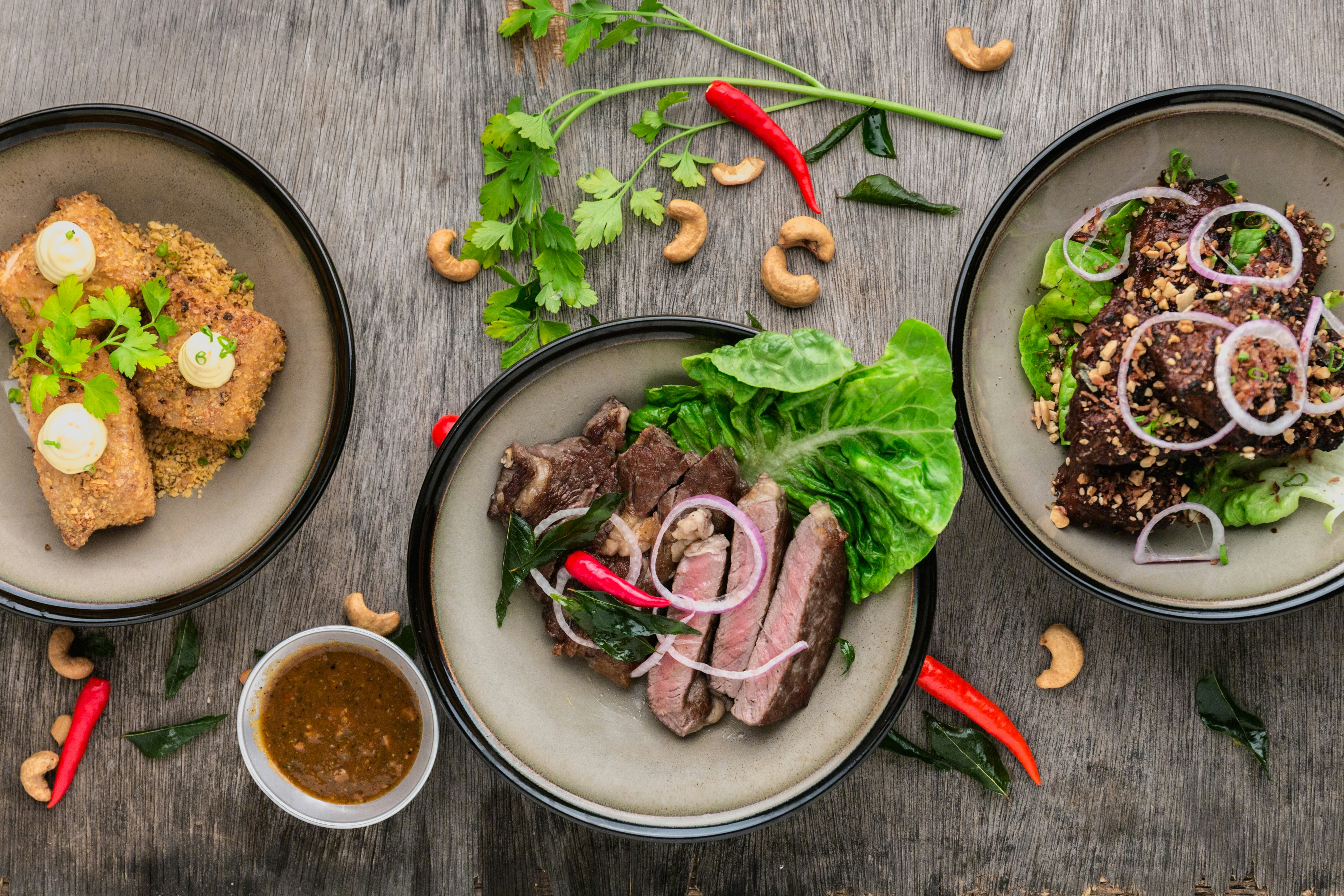
There is a version of this story that plays out in kitchens across the country every evening. It is six o'clock, the fridge has nothing in it that could become dinner, the supermarket feels like too much of an effort, and what happens is toast. Then toast again tomorrow. It is not that nobody likes cooking. It is that the shopping, the carrying, the standing up and the decision-making have quietly used up whatever energy the day had left in it.
Meal preparation support exists for that gap. It is one of the disability-related daily living supports funded through Core Supports, and it is worth understanding how it works rather than assuming you have to be completely helpless to claim it.
What meal preparation support can cover
The funding covers the whole chain around food, not just the thirty minutes in front of the stove. Depending on what is written into your plan, support can include:
- Shopping, either going with you or going on your behalf, including online ordering where that is easier
- Reading a shopping list, remembering what is needed, and noticing what has run out
- Menu planning, including working out what to cook across a week and planning around what is already in the cupboard
- Food preparation such as washing, peeling, chopping and measuring
- Cooking, whether supervised, prompted, or done independently with support nearby
- Storing food safely, labelling, freezing and using things before they go off
- Setting up the kitchen, clearing away, and washing up afterwards
- Help with mobility equipment used in the kitchen, such as a trolley, adapted utensils, or a height-adjustable bench
Some people also claim the consumption of meals under the same broad area of Core Supports. This is the support given while a meal is actually being eaten, such as assistance with positioning, feeding, or prompting, and it is a different item from preparation. The two can sit in the same plan.
Cooking for you, or cooking with you
This is the part of meal preparation support that people find most important and least often ask about. Both arrangements are valid, and the difference between them is bigger than it sounds.
When a support worker cooks for you, they do the shopping, they make the decisions, and the kitchen belongs to them while they are in it. That works well for some people. It is practical, it takes the decision off the plate, and it produces a meal in front of you.
When a support worker cooks with you, they do the physically demanding parts and stay involved enough that you keep doing the parts you can. Chopping, stirring, tasting, loading the dishwasher, deciding what is next. The purpose is not for them to finish faster. The purpose is to keep you doing the thing you already do well enough.
The second option is harder to schedule and takes longer in the visit. It is also, for a lot of participants, the reason the support is worth having at all. It is worth being explicit about which one you want, because it will not happen by accident if you never say it.
Preferences, culture and dietary requirements
Food is one of the most personal things a support worker gets involved in. There is no single right answer here and no default cuisine that assumes anything about who you are.
A good plan captures the detail that makes meals tolerable rather than merely edible. What you actually eat, what you cannot eat, the dishes you grew up with, the food you will not touch, the way you like rice cooked, whether you eat breakfast at six or ten. Recurring favourites matter as much as the odd request. If a particular meal has never once been refused in three years, it should be written down as reliable.
Cultural and religious requirements deserve their own line in the plan. Halal, kosher, vegetarian, vegan, no pork, fasting practices, no alcohol in cooking, avoiding particular additives. Workers need to know these in advance so they are not guessing at a shelf in the supermarket.
Then there are allergies and medical diets, which are a different matter entirely. Where a diet is linked to a health condition, the requirements should come from your health professionals in writing rather than from memory. A support worker should never be guessing at whether an ingredient is safe for you.
Shopping, money and staying within a budget
Grocery shopping is where a lot of practical support happens. Somebody needs to know the difference between what you like and what you will actually eat this week, and somebody has to carry the bags.
Working within a budget is normal and does not need to be awkward. A worker who shops with you should understand roughly what you spend and should not treat that as a judgement on your choices. Equally, if you are comfortable with it, they may be able to reduce waste, which helps both your budget and the environment, by planning meals around perishable items and using what you already have before buying more.
Where a worker is shopping or paying on your behalf, it is sensible to agree in advance how purchases are recorded and how receipts are kept. Most providers have a standard process for this and will explain it.
Food safety and the kitchen
Storing food safely is genuinely part of this support. Freezer burn, leftovers left too long, containers that cannot be identified a week later, fridge shelves nobody can reach. A worker can help you avoid all of that and, more importantly, can help you when your kitchen setup is the thing getting in the way.
Reach, height, heat, and the time it takes to get around the kitchen are all functional issues rather than preferences. A person using a wheelchair may not be able to reach an overhead cupboard or hold a pan steady. That is an access problem, and it deserves to be treated like one, including any equipment assessment that might come out of it.
Workers are also expected to leave the kitchen as they found it, or better. That includes wiping down surfaces, storing leftovers appropriately and not leaving a sink full of dishes for you.
The part nobody plans for, which is eating together
Ask anyone who has eaten meals alone for years and they will tell you the same thing. It is not only the cooking. Cooking alone at six o’clock, with nobody to say anything, is its own kind of bleak.
Some participants budget for a support worker to sit and eat with them, or to cook the meal together and share it. This is a real and well-recognised part of daily living support. People also tell us it is the part they are most embarrassed to ask for, which is exactly why it belongs on the list of things you can raise at planning.
Social and community participation can also cover eating out, and support in a shared space like a group home kitchen is a different dynamic again. If you want company at mealtimes, say so plainly. It is a legitimate thing to want.
It is a daily living support, not an upgrade
There is a persistent idea that help with food is for people who cannot feed themselves at all, and that wanting company at dinner or help with the shopping is asking too much. It is not. Eating is a daily activity, it takes real time and energy, and the support you need around it is disability-related whenever it happens for that reason.
If cooking has fallen apart for you and you are managing on toast, the honest description of that is worth having in a planning meeting. Not because anything is being taken away, but because it is hard to fund what nobody has said out loud.
Questions to bring to a provider
When you talk to a provider about meal preparation support, useful things to ask include:
- Can the worker shop alone or do they need to go with me, and how is that recorded?
- Do you require a written list of allergies and dietary requirements before a worker visits the kitchen?
- Can the support be arranged as cooking with me rather than cooking for me?
- How do you record purchases and keep receipts?
- What happens if I refuse a meal that has been prepared? I would rather nothing is wasted.
- Can any of the hours be used for the shopping and preparation that happens earlier in the day, rather than only at dinner time?
Where to go next
If you have been managing on whatever is easiest, that is worth changing, and it is worth raising before you assume it cannot be changed. Get in touch with us and we can talk through what meal preparation support looks like, what it might already cover in your plan, and how to ask for it in terms your planner will understand.
Our team at Orchid Premium Care works with participants on shopping, planning, cooking and eating, and we are happy to talk through the practical details of your kitchen, your preferences, or how to set up your support so the food is food you actually want.
Want to talk about your support needs?
Every person's support plan is different. Our team can talk you through what is available, what your plan covers, and what the next step looks like. There is no obligation and no pressure.